

Saturday sells itself. Tuesday is the problem, and a discount moves a few covers before it starts trimming the check on all of them.
Events work differently. They give your guests a reason to pick a date instead of waiting for a mood, and the demand is already sitting there: 38% of consumers say they go out to celebrate something like a birthday or a promotion, and 51% look for food-driven experiences such as tastings and specials, according to the 2026 Questex On-Premise Consumer Habits Report powered by Datassential.
Ideas are the cheap part. What turns one into revenue is a date your guests can find and book online, with the deposit collected before they walk in.
Below are 35 restaurant event ideas grouped by what each one asks of your kitchen and your calendar, plus the tactics that keep the seats full once the date is on the books.
Why restaurant events are worth hosting
A discount asks your guests to come in for less. An event gives them something they can't get on a Tuesday anywhere else, and your younger guests respond to that first. Among diners aged 21 to 28, 58% look for live music and 53% look for specialty tastings, according to the same Questex and Datassential research. Those are guests who book around a date and bring people with them.
The payoff outlasts the night. SevenRooms' 2026 U.S. Restaurant Trends Report found that 74% of consumers plan to or have already returned to a restaurant after a unique experience, so a themed night that lands is buying you the next visit as much as the current one.
Events also make the book predictable. Event deposits and cancellation fees turn a reservation into a commitment, so the covers on your calendar are the covers you staff for. They lift the check too: reservations booked with prepaid upgrades run 16% higher per cover, and that revenue is in the bank before anyone sits down.
Which event you run comes down to what your kitchen can absorb on a weeknight. That's how the list below is organized.
35 restaurant event ideas that fill seats
Guests are specific about what they will pay extra for. In the 2026 DoorDash and SevenRooms Restaurant Industry Trends Report, dine-in guests name special-occasion packages (30%), preferred seating (25%) and limited-time experiences (24%).
Every idea below sits in one of those three categories. They are grouped by what each one asks of your kitchen and your calendar, so you can start with the one you could run this month.
Food & beverage-centered restaurant events
1. Cooking or cocktail-making classes
Show the community how it's done and host a cooking or cocktail-making class. Put your chef or head bartender in front of guests, working with good ingredients and teaching recipes people will make again at home.
2. Beer, wine or spirits tastings
A tasting is the lowest-risk event on this list. Guests get to try a range of one thing, and you get to show what your team knows about it.
For example:116 Pall Mall in London runs Champagne Masterclass Dinners for wine lovers at every level, walking guests through a trio of tastings paired with a four-course dinner. In Napa Valley, Long Meadow Ranch sells wine and whiskey tastings alongside its restaurant and doubled guest spend by cross-selling experiences that way.
3. Guest chefs and residencies
Hand the pass to a visiting chef for a night or a week. It gives regulars a reason to come back to a menu they already know, and it brings the guest chef's following through your door.
4. Exclusive dinners for VIPs or influencers
A prix-fixe dinner built for your best guests or for local influencers is the cheapest buzz you can buy. Partner with an influencer if you want the night to travel further than the room.
5. Wine and paint
Paint-and-sip nights sell out because they give guests something to do with their hands. Bring in a local instructor, set a two-hour window and price it as one ticket.
6. Brunch
Brunch is the easiest event to test because the demand already exists. Add live music, a bottomless window or a single showpiece dish and it stops being a service and starts being an occasion.

7. Food tours
Build your own food tour with the businesses around you. A route that takes in three or four neighboring venues splits the marketing cost and introduces each room to the others' regulars.
Calendar restaurant events
8. Chef’s table and kitchen counter dinners
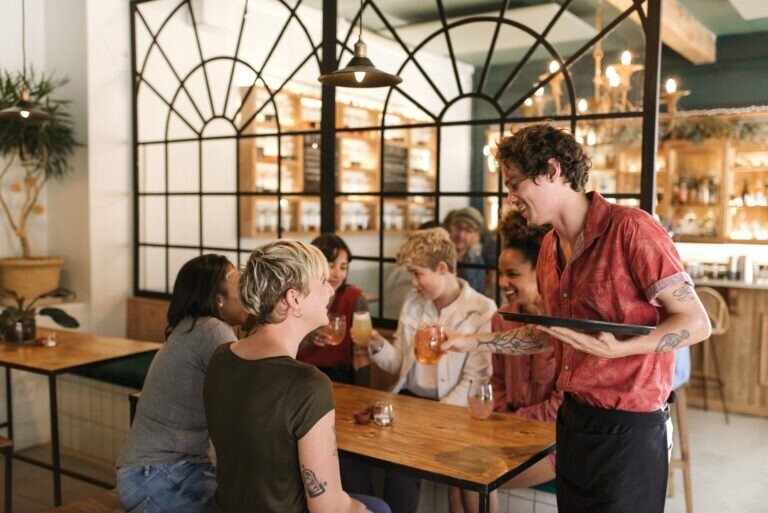
Sell the six seats closest to the pass as a separate ticket. Guests eat a set menu with the kitchen in front of them, and preferred seating was the second thing dine-in guests said they would pay extra for.
One sitting, one menu, no prep beyond what the line is already firing.
9. Holiday-themed dinners
From Valentine's Day dinners to Halloween parties, the calendar hands you a reason to sell a set menu at a premium.
Give guests a New Year's celebration or a Christmas feast good enough that they book it again next year without being asked. The holiday party playbook covers the operational side.
10. Family days
Father's Day and Mother's Day are the two highest-covers days most US restaurants will see outside December.
Run one menu that works for a four-year-old and a grandparent at the same table, and price it so a party of eight does not have to think about it.
11. Sporting events
The Super Bowl, March Madness, the World Series. These fill a room on dates you know a year in advance, which makes them the easiest events to staff.
Build a short appetizer menu and a drink special, and take reservations rather than letting it run as a walk-in night. If you do not usually show sport, that is the point: it shows guests a different version of your room.
12. City celebrations
Watch your neighborhood's event calendar and program against it. A guest heading to a block party on your street will stay for hours if they walk past a reason to.
Themed restaurant events
13. Seasonal menu launches
Your menu changes with the seasons anyway. Turn the changeover into a dated event: one sitting, the new dishes and the producer who grew them in the room.
The kitchen is already testing those plates, so the food cost is close to nothing and you get four reasons a year to email your list.
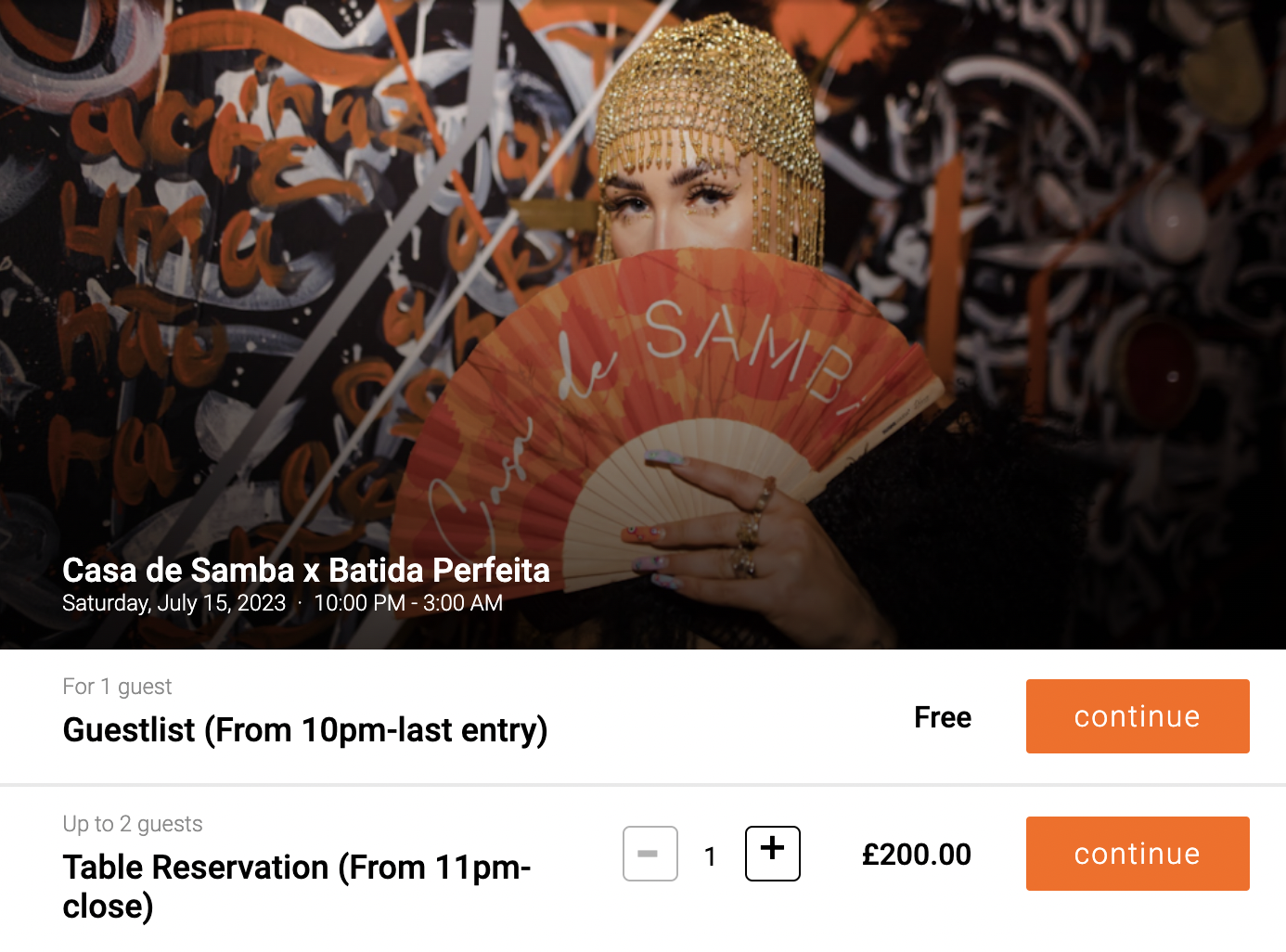
For example: Solotel, which runs more than 26 venues across Australia, sold 300 covers for a single event in seven minutes once the date was bookable online.
14. Live music or entertainment
Live music is the most reliable way to turn a quiet weeknight into a room with a queue.
For example: SUSHISAMBA London runs Rio After Dark every Friday and Sundown Sessions through the week, treating entertainment as programming rather than a one-off.
Open mic nights and stand-up showcases cost almost nothing and build the same habit.
Regularly scheduled and budget-friendly live entertainment, such as open mic nights or stand-up comedy, is an easy and effective way to drum up engagement with the community on slow nights. If it’s promoted well, your mundane Monday night might turn into one of your most profitable.
15. Weekly trivia
Trivia works because it is recurring. Guests put it in their calendar, which is what turns a slow Tuesday into a reliable one.
Partner with a host rather than running it yourself, and keep the same night every week for at least three months before you judge it.
16. Costume parties or theme nights
A 1920s night, a tropical beach party, a bad-shirt contest. Theme nights give guests something to plan for, and planning is what gets a table of six booked instead of a table of two.
17. Karaoke night
Karaoke is the classic for a reason. It sells drinks, it keeps people in the room past their last course, and it costs one rented machine.
18. Game night
Game nights carry none of the pressure of trivia or a costume party. Put board games on the tables, keep the kitchen open late and let groups stay.
19. Networking events
Host the local tech, finance or creative meetup. The organizer brings the guests, you supply the room and a drinks package, and everyone in it sees your menu.
20. Movie night
If your space can take a screen, run a family movie night with a set menu. Classics travel further than new releases and the licensing is simpler.
21. Industry night
Hospitality works when everyone else is out, which is why Sunday and Monday are the shifts your own trade can fill. Set a night, put a short menu and a drinks list behind a staff card and keep the kitchen open late.
Cooks and bartenders bring their teams, spend on drinks and send guests your way for the rest of the year.
Private events and buyouts
The ideas above fill a room. These ones let someone else fill it for you, at a price agreed in advance.
38% of consumers say celebrations are why they go out at all, and a booked occasion is the only event on this page that arrives with a date, a headcount and a budget already attached.
22. Rehearsal dinners and small wedding receptions
A rehearsal dinner is a private event with none of the complexity of a wedding. One room, one set menu, one contact and a party that will remember where they ate the night before.
23. Birthday and milestone parties
Milestone birthdays, anniversaries and retirements book months out. If your restaurant CRM already holds guest occasion dates, you can market to them before the guest starts looking.
24. Corporate dinners and holiday parties
Company dinners are the highest-margin private business most restaurants can win, and the December calendar sells itself. Build a per-head package with two menu tiers and a drinks allowance so a finance team can approve it in one email.
25. Baby and bridal showers
Daytime showers use the part of your week that is hardest to sell. A set brunch menu, a reserved section and a corkage or cake fee turns a dead Saturday morning into covers.
26. Graduation dinners
Graduation weekends are the most predictable demand spike in the American calendar, and they are almost entirely large parties. Publish a set menu for six or more and take bookings from March.
27. Full-venue buyouts
A buyout takes the risk out of a night entirely: one client, one price, no walk-ins to hold space for. Handle the deposit, the contract and the final headcount inside your event management software rather than across email threads.
28. Reunions and club dinners
Alumni groups, sports clubs and service organizations book the same dinner every year, and they book it large. One contact, one date and a headcount that repeats.
Find the five nearest to you, send the organizer a per-head package and the booking lands on your calendar before the year starts.
Community and interest-led events
These are the events that build a regular crowd rather than a one-night crowd. They cost little and they run on somebody else's enthusiasm.
29. Charity fundraisers and giveback nights
Give a local cause a percentage of the night's covers and they will bring their mailing list with them. You get a full room and a reason to be in the local press.
30. Murder mystery dinners
A murder mystery is a ticketed, prepaid, fixed-length event with a built-in reason to book the whole table. Hire a company that runs them and you supply the room and the menu.
31. Speed dating and singles nights
Singles events fill bar seats on the nights couples do not come out. Partner with an organizer who already has an audience rather than trying to build one from your own list.
32. Book clubs and author nights
Team up with the independent bookshop nearest you. An author event brings an audience who will stay for a drink, and it gives you recurring programming with no kitchen complexity.
33. Craft workshops
Floral arranging, candle making, charcuterie board building. Workshops sell as one ticket covering the materials, the tuition and a drink, which is a far easier sell than a menu at the same price.
34. Supper clubs and communal tables
A monthly supper club at one long table gives solo diners and small groups a reason to book on a night they would otherwise stay home. It also lets your kitchen cook one menu, once.
35. Regulars-only nights
Your regulars are the guests you never market to, because they arrive without being asked. Give them one night closed to everyone else, with an early sitting and a menu the public does not get.
Repeat diners spend 27% more than first-time diners (SevenRooms US platform data, October 2025 to March 2026). Pull the list from your guest profiles and invite by name.
Tactical tips for creating a restaurant event your guests will love
Shaping the right event requires thoughtful planning, self-awareness and smart marketing
1. Identify the experiences your guests want
Yes, diners want high-value experiences, but what does that look like for your venue? Ask yourself: Who are you trying to attract, and who is actually walking through your doors?
When it comes to understanding your audience, guest data is your superpower. Take advantage of it. Details like visit history, food and beverage preferences and special occasion information (birthdays, anniversaries, etc.) can help you better understand who your guests are and what they’re interested in.
SevenRooms restaurant CRM collects data about your customers as they dine with you and automatically builds robust profiles for every guest. This data gives your team insights to design events tailored to their interests.
2. Maximize what you already have
Not every successful restaurant event needs to be flashy or over the top. Often, the most memorable moments come from using your existing property and resources in creative ways. Think about the guest experience holistically and brainstorm thoughtful upgrades that feel personal and elevated.
Simple touches, like priority seating with a view, tailored beverage pairings or chef’s tasting menus, can transform an ordinary reservation into an extraordinary evening.
SevenRooms data shows that the highest-value experiences often center around what you already offer (or can offer), such as:
- Scenic views
- Shared premium drinks (e.g., margarita pitchers, Guinness kegs, Tomahawk steaks)
- Seasonal or take-home upgrades (picnic boxes, birthday gift bags, floral arrangements)
By showcasing these options with high-quality visuals at booking, you can elevate the guest journey and drive incremental revenue, all without reinventing your operation.
3. Spread the word
A unique event is as successful as its promotion. Build a dedicated event landing page and push it through email, social media and SMS.
Start with the guests most likely to come. A targeted, automated send drives 16x more revenue per email than a mass send, according to SevenRooms US email data collected in 2025.
Don’t forget to connect your reservation system to Google. Recent updates to Reserve with Google now let restaurants showcase special bookings, accept prepayments and collect deposits right where most people are searching for places to dine.
4. Add prepayment options
In crowded markets, hosting an event only works if you can predict attendance. That’s where prepayments and deposits make a difference. When guests purchase tickets or lock in seats with a deposit, you can better plan food orders, staffing and seating.
And the good news: diners are increasingly comfortable with deposits. Nearly three in four say they’re open to paying upfront, especially for experiences like tastings, wine dinners or seasonal menus.
Make it easy for guests to commit:
- Add a direct link to your event landing page or reservation widget in every email, post or flyer.
- Integrate prepayment or deposit options right into your booking flow. (With SevenRooms, you can seamlessly collect deposits, full pre-payments or ticket fees at the point of reservation.)
- Frame the deposit as part of the experience. “Your $25 deposit secures your seat at our exclusive six-course tasting.”
And remember: when a guest has already invested in attending, they are far less likely to no-show.
For more on implementing deposits, check out our article on reservation policies.
5. Get feedback to improve future events
An event doesn’t end when the last guest leaves. The most successful operators know that follow-up is just as important as the planning itself. Post-event feedback helps you understand what worked, what didn’t and what will keep guests coming back.
While you could scour feedback left on Google or other third-party sites, SevenRooms 2025 industry report found that more operators are turning to feedback surveys (56%) and guest sales data (53%) for a more accurate view of brand sentiment.
To do this, try sending post-meal feedback using automated emails, giving guests the opportunity to offer actionable feedback. Ask detailed questions to get a feel for the food, service, ambiance and overall impression of the event.
If using SevenRooms’ review management and guest feedback software, the responses will automatically link to each guest’s profile, helping you re-engage them for future events and experiences. AI Feedback Summary surfaces the themes across them.
Give guests a reason to book a Tuesday
From an intimate tasting to a full-venue buyout, the right event turns a casual diner into a regular and puts revenue on the nights that would otherwise run quiet.
Pulling one off takes more than a good idea. You need tools that handle ticketing, deposits, upgrades and guest feedback in one place, rather than four.
SevenRooms event management software helps you plan, promote and run experiences while capturing the guest data that brings people back.
Start with one idea from this list that you could run next month.
Restaurant event ideas FAQs
What are the best restaurant event ideas for a slow weeknight?
Recurring, low-cost formats beat one-off spectacles on a quiet night. Trivia, live music, game nights and supper clubs work because guests can put them in a calendar.
Pick one, run it on the same night every week for at least three months, and judge it on the fourth month rather than the first.
How do I stop no-shows at a ticketed restaurant event?
Take payment before the night. Prepaid tickets, partial deposits and cancellation fees all make a booked seat a committed one.
Reservations with prepaid upgrades also spend 16% more per cover (SevenRooms US platform data, October 2025 to March 2026). Our guide to restaurant reservation deposits covers how to set the amount.
How far in advance should I promote a restaurant event?
Long enough that a group can agree a date, which in practice is three to four weeks for a weeknight event and six to eight for anything tied to a holiday or a large party.
Open bookings before you finalize the menu. You can change a dish. You cannot recover the two weeks you spent waiting to announce.
What attracts customers to a restaurant?
A menu worth traveling for and a team that remembers people. Events sit on top of both, giving a guest who already likes you a reason to pick a specific date.
What are effective marketing strategies for promoting a restaurant event?
Start with the guests you already have. Segment your list by who has attended something similar, send an automated email and follow it with SMS closer to the date.
Then make the event findable to people who do not know you yet, through Reserve with Google and your social channels.
